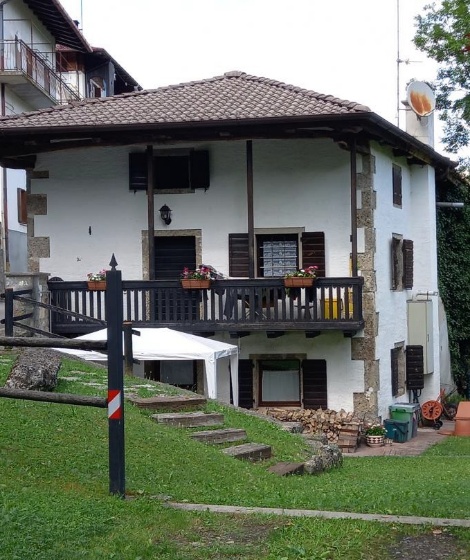
Viaso – Nonta – Socchieve
The path connecting the three hamlets
The proposed itinerary serves as an alternative to the paved roads that currently connect the three villages. Although recent road developments have cut off the historic passages between Viaso and Socchieve, the path connecting Viaso to the Pieve di Castoia still preserves original sections.
To link the three hamlets, it was decided to enhance paths once considered secondary, particularly along the stretch between Nonta and Socchieve.
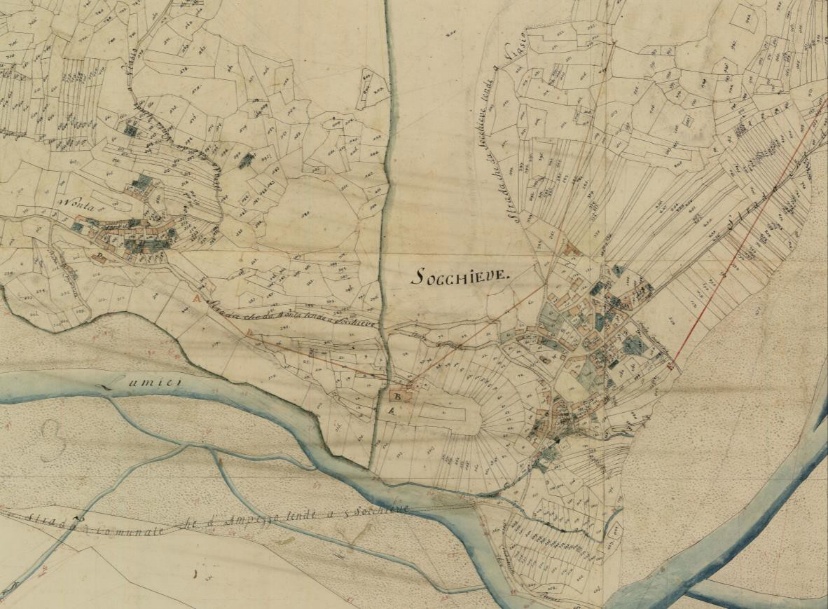
The views dear to Davanzo
The village of Viaso preserves a well-preserved rural architecture, despite some post-earthquake restorations having caused the loss of significant buildings. Several paths once branched out from the town center towards the Pieve di Castoia and Socchieve. However, the easternmost routes have been cut off by the new regional road. Conversely, the connection to Nonta has remained accessible thanks to a wildlife overpass that links to the old mule track (now partially paved) via a minor trail.
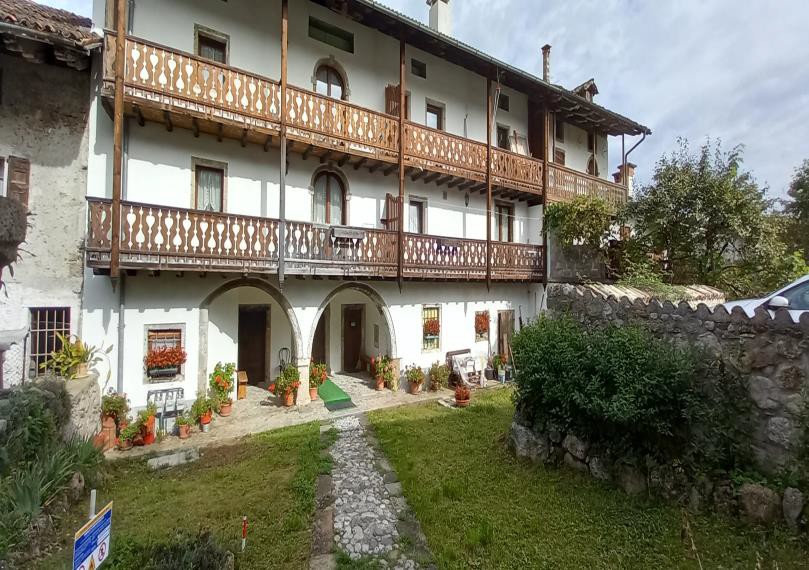
Just below the village of Viaso, the route leaves the paved road to head down a path leading to a highly interesting abandoned mountain hut. From here, following a modern track, you reach the road overpass, where the ancient historical trail can be rediscovered.

Once past the main roads, you are immersed in the semi-wild landscapes north of Nonta. Formerly the village’s productive heart, this area is seeing a drastic reduction in cultivated land today. Nevertheless, the meadows highlight its unique micro-morphology, characterized by the temporary ponds that so deeply inspired Davanzo’s paintings.
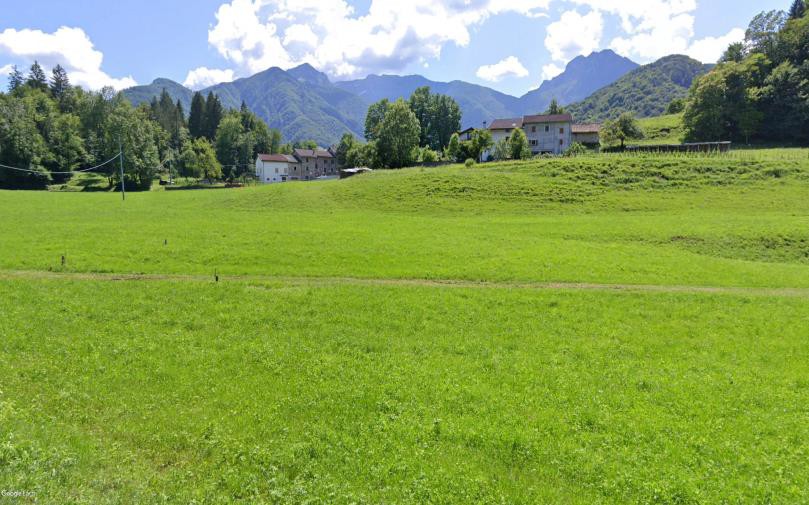
Southwest of Nonta, where the castle of the same name once stood, the road descends toward the ancient connection to Ampezzo and Priuso, located on the right bank of the Lumiei river. Before the Sauris dam was built, crossing required navigating a very wide ford. Today, the drastic reduction in water flow has transformed the riverbed into a dense wooded area.
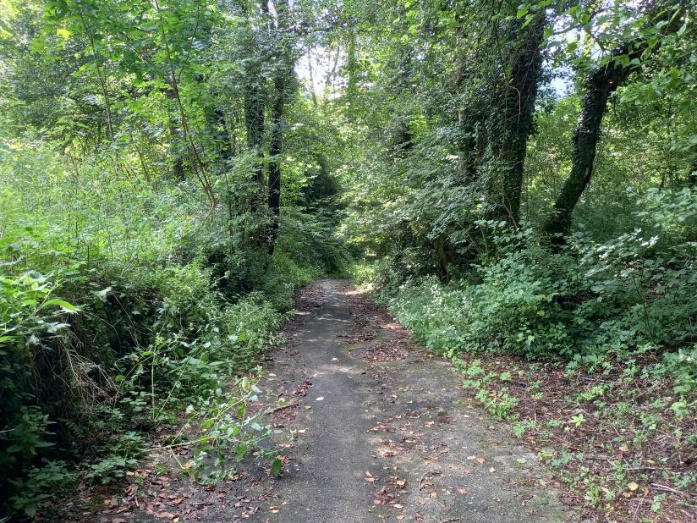
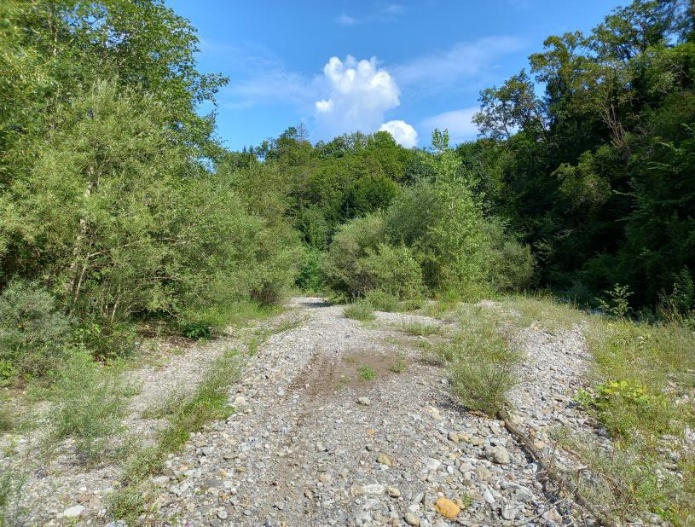
Once you reach the riverbed, where the water flows mostly underground, follow its natural slope to rejoin the road coming from Spaja.
Although the historical path to Socchieve ran along the right side of the stream, the current lack of water allows you to head downstream by following the cliffside topped by the Pieve di Castoia.
Safety note: Transit through the Lumiei riverbed must only be done when there is no water and weather conditions are favorable. In the event of a flood, you must detour toward the Pieve di Castoia and descend along the “Cleva.”
You enter Socchieve via the historic narrow road once used by those arriving from Ampezzo and Priuso: here you can still see the old lime kiln (later converted into a mill) and the upper mill, which has now become a private home.